




Slovakia shocked by avalanche of bomb alarms in schools
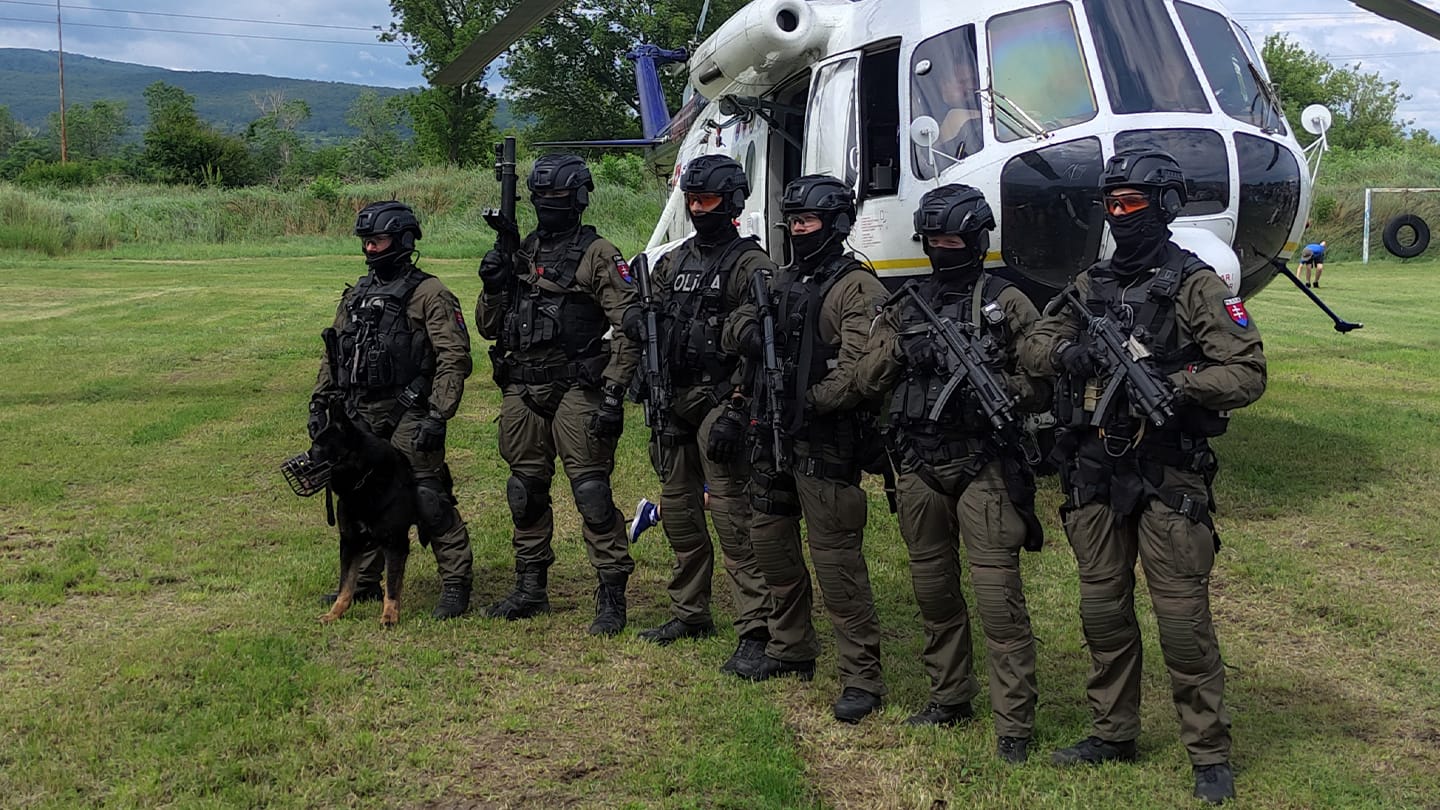
News of a bomb in a building had been coming to more educational institutions in Slovakia since early Tuesday morning. At first everyone thought it was the prank of a prankster, but with each passing hour there was an avalanche of institutions receiving similar emails, and the situation became less and less amusing.
“The scale of bomb threats is extreme. Police are working at full speed, checking security at schools and working to identify the perpetrator.” – Slovak police wrote on their profile.
On Tuesday, police registered a total of 1,544 bomb reports. In addition to the emails, there were phone calls received not only by schools, but also by some banks and electronics stores. It is worth mentioning that several hundred schools in the country had already received similar emails the previous week.
According to the journalists’ findings, the threatening emails to Slovak schools were sent from Russian addresses. The messages were written in Slovak and mentioned Allah, the enemies of Allah or Sharia law. The news also mentioned explosives in the trucks. The author wrote that they had “waited a long time for this day” and that “now we are all over your country.”
Police checked all schools where bombs were reported on Tuesday. It was determined that they are not in immediate danger, so there is no need to close them. The Ministry of Education has decided that children will return to school on Thursday (Wednesday was Victory over Fascism Day in Slovakia, which is free from school).
The case was quickly handed over to NAKA investigators (the equivalent of Poland’s CBŚ), who reclassified it as an act of terrorism because the bomb messages were religiously motivated and contained death threats. The perpetrators face a penalty of 20 to 25 years in prison or even life imprisonment, provided they can be identified.
According to preliminary police findings, reports of the bomb threat were a cyberattack or an element of a hybrid threat. The investigation is still ongoing.
The same was true in Poland
The May 2019 threatening emails also came to Polish schools. At the time, there was talk of a desperate student who hid a bomb in the room where the midterm exam was to be held. The incident caused chaos, with police patrolling schools at night, some midterms delayed and others postponed until next month.
Fortunately, the threats were not confirmed. Even then, police were already considering the version that it could have been a coordinated attack controlled from abroad or a prank by Internet trolls.
A year later, the Polish media reported that the emails about bombs in schools were the work of the Russian intelligence services, specifically the GRU foreign intelligence agency. According to the findings, the emails were sent from servers in St. Petersburg.
“The cyber attack on last year’s high school graduation looks like part of Russia’s hybrid efforts against Poland. The purpose of such operations should be to bring chaos to key state institutions and test how strong Poland’s cyber security is,” former Intelligence Agency chief Grzegorz Małecki told RMF FM at the time.
In the fall of 2020, the prosecutor’s office in Warsaw closed the investigation, saying it was unable to identify the perpetrator.
An element of hybrid warfare
Now the conflicts are taking place in a new and radically different way. To effectively paralyze a country, you don’t need a direct armed conflict.
Tomas Okmanas, founder of cyber security firm Nord Security, says bomb alerts are a very effective tool for maximizing and paralyzing security forces. “The second factor that contributes to the effectiveness of these threats is their high psychological and operational impact, especially on vulnerable targets such as educational institutions and kindergartens.” – The expert adds.
Artificial intelligence and improved translators help give the impression that the threat is real. In addition, attackers can easily generate a large number of e-mails at a very low cost. Although, as a rule, the risk of danger is zero or very low, in the case of similar institutions, the security forces must respond, which clearly disrupts the whole society and creates stress and fear.


