




50 billion from the EU for Ukraine is not enough. And this is the worst time to show weakness
The text was written as part of Krytyka Polityczna’s cooperation with media from Poland and Hungary. We were inspired by the Spięcie project, in which five Polish editors from different sides of the political dispute discussed important and more important issues, with the common goal of puncturing information bubbles. Now we are inviting editors and journalists to join the discussion, raising issues that are particularly relevant from the perspective of our region.
EU leaders breathed a sigh of relief: Viktor Orbán let go of vetoing financial aid to Ukraine. Over the next four years, €50 billion in grants and loans will go to Ukraine. The money will support the reconstruction of damaged infrastructure, help Europeanize energy, agriculture and transportation networks, and cover budgeted expenses and compensation payments for lost property.
This gesture is important if only symbolically – Ukraine, as well as Russia, received a clear signal that despite the many crises and internal divisions, the European Union is still ready to support its neighbor in the fight against the aggressor. Above all, however, it’s a lifesaver for millions of Ukrainian pensioners and budget workers whose paychecks have been seriously threatened this year.
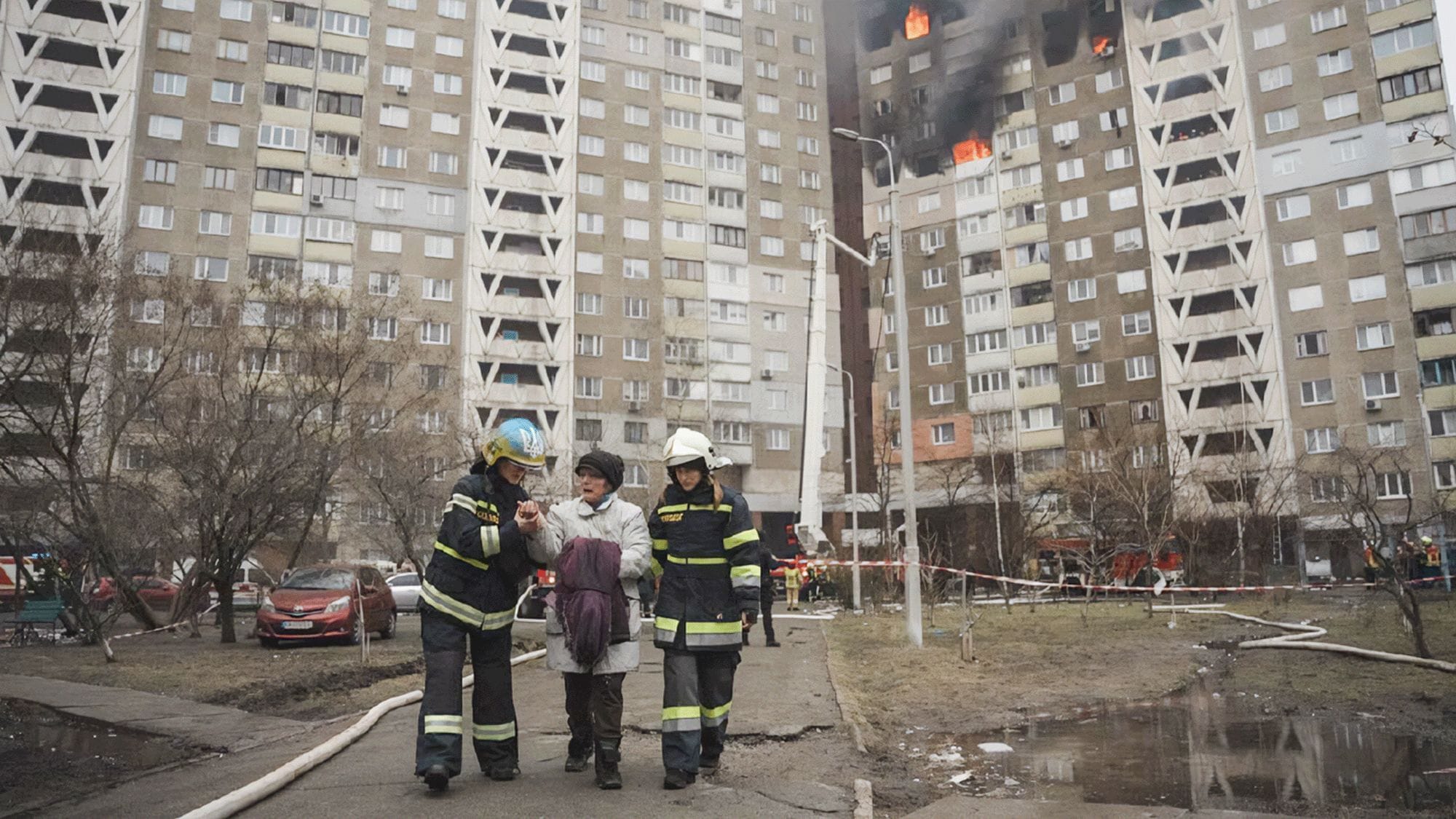
Without European support, there would be nothing to pay the salaries of teachers, civil servants or medics. Under wartime conditions, many are working beyond their means, struggling with a shortage of personnel, as many representatives of these feminized professions have found refuge abroad. Their well-being – as well as their willingness to remain in the country – are crucial to the relatively normal functioning of the Ukrainian state and, as is particularly true for teachers, its future.
The EU grant will also cover the cost of building shelters in Ukrainian schools, which is key to leveling the playing field in wartime education. Currently, Ukrainian children are divided into those whose lessons continue during the air alert in the underground, and those who, through lack of adequate infrastructure, must learn remotely and intermittently. European money will also flow into Ukraine’s health service – covering, among other things. The cost of prostheses for tens of thousands of people who lost limbs as a result of the war.
Due to wartime priorities and a weakened economy, a sizable portion of the Ukrainian state’s “civilian” spending is paid for out of international pockets. If the allies ended this support, the country would face a devaluation of the hryvnia and a sharp rise in inflation, resulting in chaos and a humanitarian crisis that would help Russia move its front further west.
European aid will also support the Ukrainian military protecting us from this, although not directly. First, securing “civilian” spending will allow the state to allocate more tax money for necessary armaments. Second, the Ukrainian army makes an unprecedented living from crowdfunding – four out of five Ukrainians contribute to ZSU collections. This would not have been possible if the payments of many of them had been stopped.
However, 50 billion from the Union spread over four years is far too little. The International Monetary Fund estimates Ukraine’s needs in 2024 alone at $42 billion. According to Ukrainian authorities, each day of waging war costs the country $100 million. Therefore, American money is also necessary. Unfortunately, the promised military aid package – $60 billion for the purchase of armaments, especially munitions – still cannot pass the isolationist Republican-dominated Congress.
Brussels must have a plan B in case it doesn’t work out. And even if it comes out – already start looking for additional resources to help Ukraine in case Donald Trump wins the fall US presidential election. The 50 billion euros approved for disbursement is apparently a lot, but it’s also a drop in the EU budget – less than 0.1 percent. EU GDP of four years. Not much, given the small but real threat of war with Russia. In addition, frozen Russian assets are still on the European table – approx. 300 billion dollars.
Europe must also finally make good on its promise to supply Ukraine with one million artillery shells – whether by bolstering its own arms production or by buying from South Korea, for example. It was supposed to be done last year, but the plan was only one-third successful. At the same time, Russia was expected to produce up to two million missiles, and bought another million from North Korea, significantly increasing its lead over Ukraine in this regard.
For two years of full-scale war, the West has helped Ukraine with procrastination and delays. This did not protect Europe from being seen by Russia as a party in this war, but instead contributed to the aggressor taking the initiative on the front after a string of Ukrainian successes.
This is the worst moment to show Russia’s weakness, and at the same time the last moment to get in time before the Europeans become definitively tired of war.
Even if the worst-case scenario does not materialize and the war does not spill beyond Ukraine, the failure of its defense against Russia at this stage would also mean the failure of the EU. Given the series of crises this union of states has faced over the years, another misfire of the joint venture could become the nail in its coffin.


